The Suffolk coast sells itself on big skies, a proper high street and the sound of the sea at the end of the road. But Aldeburgh, Southwold and Felixstowe are three quite different places to actually live in, and those differences show up in what you pay, what you get and how much homework you should do before you commit. Here is how they compare.
Three towns, three characters
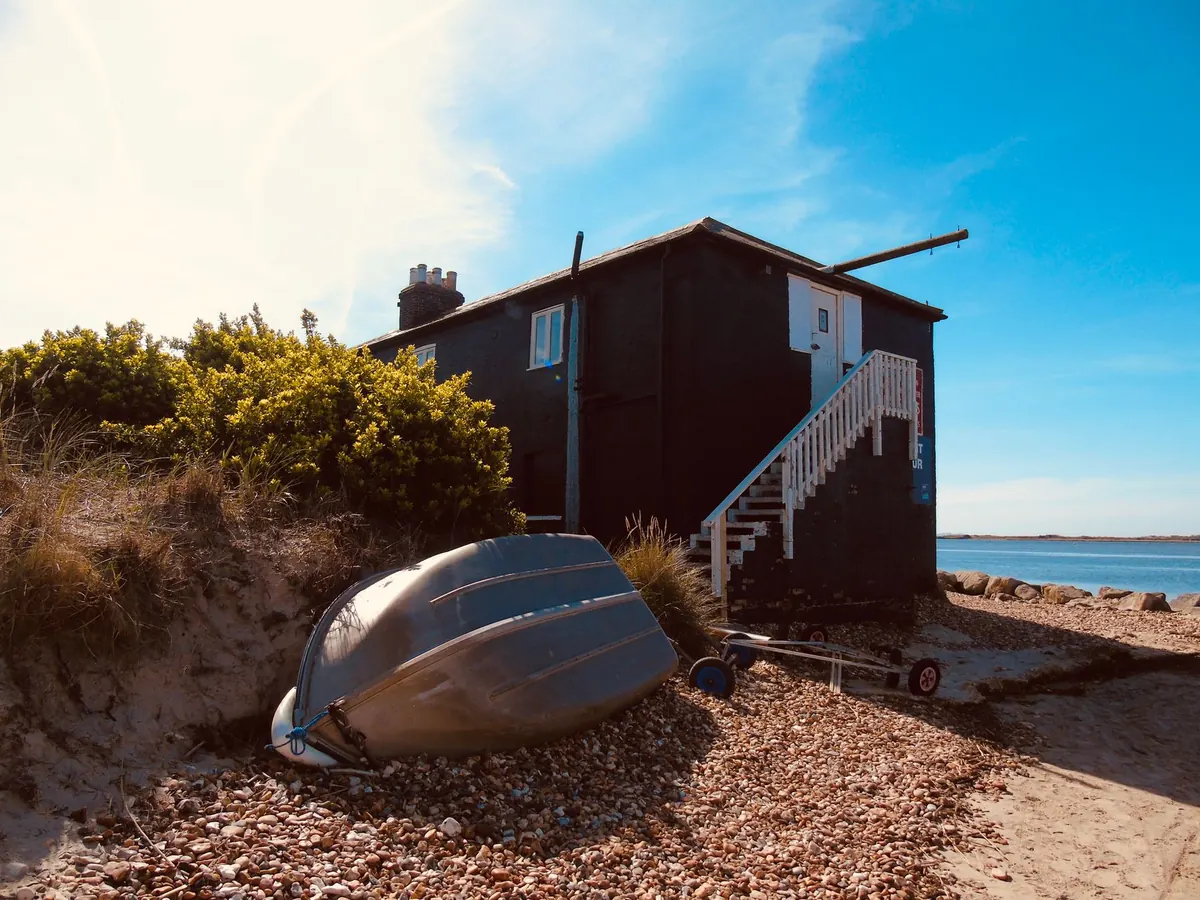
- Aldeburgh — a long shingle beach with working fishing boats, a high street of independents and a serious cultural calendar built around the Aldeburgh Festival and Snape Maltings. Georgian and Victorian frontages, fishermen's cottages, and a lot of day visitors in summer.
- Southwold — compact, handsome and heavily protected by its conservation area. The lighthouse, the pier, Adnams, the Common and rows of pastel beach huts. Much of the town centre is listed, which shapes what you can do to a building.
- Felixstowe — the largest of the three and the only one with a working port and a railway station. A genuine year-round town centre, supermarkets, schools, and a seafront of gardens, promenade and Martello towers.
What your money buys
Aldeburgh and Southwold occupy the top of the local market, and both charge a substantial premium for proximity to the water. In each town, the gap between a cottage two or three streets back and a house with a direct sea view is often the difference between one price bracket and the next.
Expect smaller rooms, tighter plots and parking that is a negotiation rather than a given. Many of the most attractive properties are period terraces where the charm comes with a maintenance list: timber sashes, lime render, gutters and downpipes that take a beating from salt air.
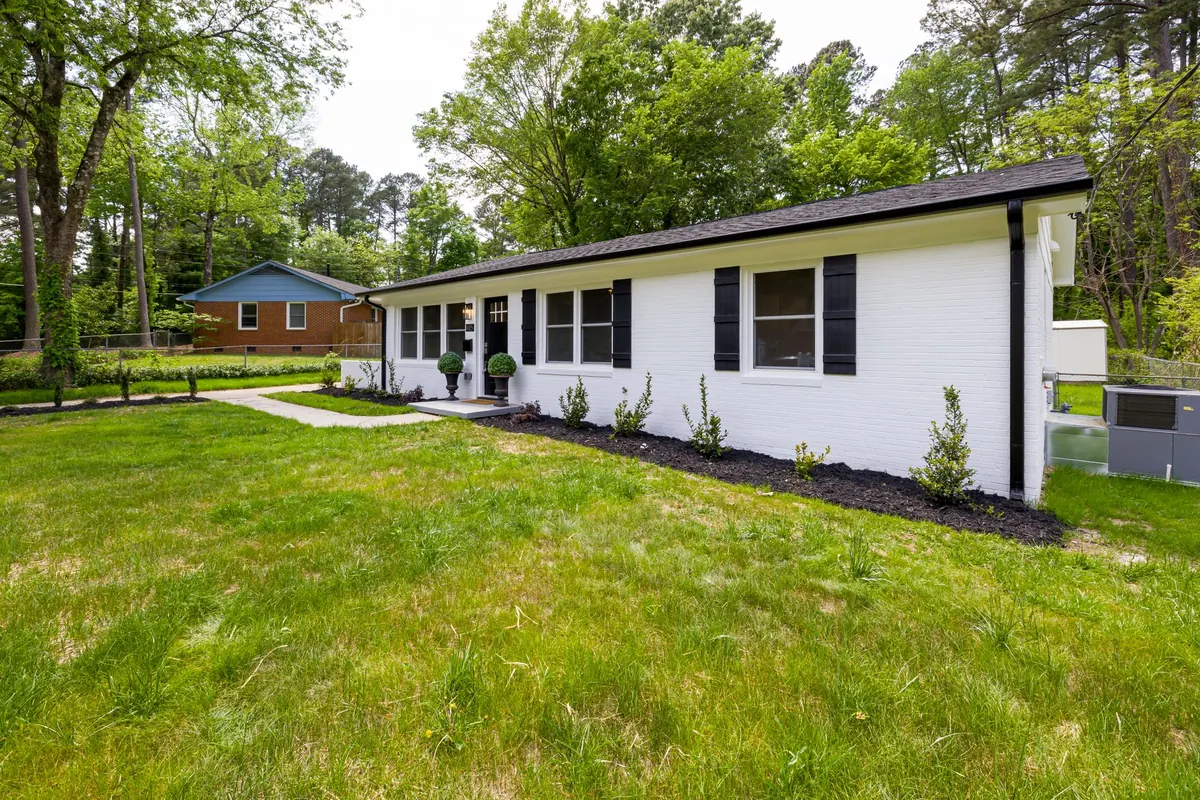
Felixstowe is where your budget stretches furthest. Money that buys a modest two-bedroom cottage in Aldeburgh or Southwold will generally buy a three- or four-bedroom Victorian or Edwardian villa, a 1930s semi with a real garden, or a modern house on one of the estates behind the town. Off-street parking and a garage are normal rather than lucky. In all three towns, watch for leasehold flats, flying freeholds in converted terraces, and service charges that rise quietly.
Lifestyle: who suits which town
Aldeburgh
Choose Aldeburgh if you want culture within walking distance. Concert-goers, sailors and golfers are well served, and the beach walk south to Thorpeness is one of the best in the county. Winter is quiet, almost empty in the evenings, which some people love and others find isolating.
Southwold
The most polished of the three. Sailing on the Blyth, the harbour at Walberswick, beach huts that trade as separate assets, and the Latitude festival a short drive away at Henham. It is also the most tightly planned, so if you are hoping to extend, convert or change windows, start that conversation with the planning authority early.
Felixstowe
A working town rather than a resort, and better for it if you need everyday logistics to work: schools, GP surgeries, a leisure centre, regular buses. The seafront is lively all year, and Landguard Fort and the Felixstowe Ferry end of town give you somewhere to walk when the promenade is busy.
Flood risk and coastal change
The Suffolk coast is a dynamic shoreline. Some stretches are defended and maintained; others are allowed to evolve. That does not make coastal homes unwise or uninsurable, but it does mean flood and erosion checks belong at the start of your search, not the week before exchange.
- Check the Environment Agency's flood map for planning and its long-term flood risk service for the specific postcode, not just the town.
- Ask the seller for the property's flood history and any insurance claims, what they currently pay, and whether they have ever struggled to get cover. Flood Re helps with premiums on many homes built before 2009 — ask a broker how it applies to the house you are considering.
- Look at the shoreline management plan and the Agency's coastal erosion information for that stretch of coast, and ask what defences are maintained nearby.
- Visit after heavy rain. Where does water sit? Is there a basement or low-level extension, and are there air bricks at ground level?
- Check drainage. Many rural and some coastal properties are on private drainage, which means a treatment plant to maintain and empty.
Aldeburgh has a long history of shingle management and past tidal surges; the December 2013 surge is still in living memory along this coast. North of Southwold, erosion at Easton Bavents has been well documented. Felixstowe relies on sea walls and groynes along much of its frontage. In every case the risk is property-specific rather than town-wide, so take a surveyor's and a solicitor's view before you commit.
Getting there and staying connected
Felixstowe is the clear winner on transport. Trains run on the branch line to Ipswich, where you change for London Liverpool Street, and the A14 puts Ipswich, Cambridge and the Midlands within easy reach. Aldeburgh lost its station decades ago; the nearest railheads are Saxmundham and Campsea Ashe on the East Suffolk Line, a short drive inland, with bus links that thin out in the evenings and on Sundays. Southwold's nearest stations are Halesworth and Darsham, with buses on to Beccles and Lowestoft.
Parking is the other practical difference. In Aldeburgh and Southwold, summer parking near the beach is genuinely difficult, and a house with a driveway is worth paying for. In Felixstowe it is rarely a problem. Check broadband speeds at the exact address before you offer — coverage varies more than the coverage maps suggest.
Second homes and holiday lets
Aldeburgh and Southwold both have a high proportion of second homes and holiday lets. That means competition for the best houses and neighbours who come and go. It also means any plan to let needs checking against planning rules: conservation area status and Article 4 directions can remove permitted development rights and add conditions to changes of use.
If you are buying as an additional home, higher rates of stamp duty generally apply, and the mortgage and tax treatment differs from an ordinary residential purchase. Speak to a solicitor and an accountant who deal with coastal and lettings property before you exchange, not afterwards.
Practical next steps before you offer
- Decide what job the property has to do — main home, weekend base or letting investment. The right town changes depending on the answer.
- Visit out of season as well as in August. A Tuesday in February tells you more about a place than a sunny Saturday in July.
- Run the flood and erosion checks before you view a second time, so you are not negotiating with your heart.
- Instruct a local solicitor and a surveyor who understands coastal construction, damp, salt exposure and period buildings.
- Get insurance quotes in writing before you exchange, and confirm the rebuild cost for a coastal property rather than relying on the mortgage valuation.
Buy well on this coast and you get something no inland town can replicate: a short walk to the water, a community that swells and shrinks with the seasons, and a house that will always be wanted. Buy carelessly and you inherit drainage problems, insurance headaches and a maintenance bill you did not plan for. The difference between the two is mostly preparation — and a good local team around you.
Photo: AXP Photography / Pexels