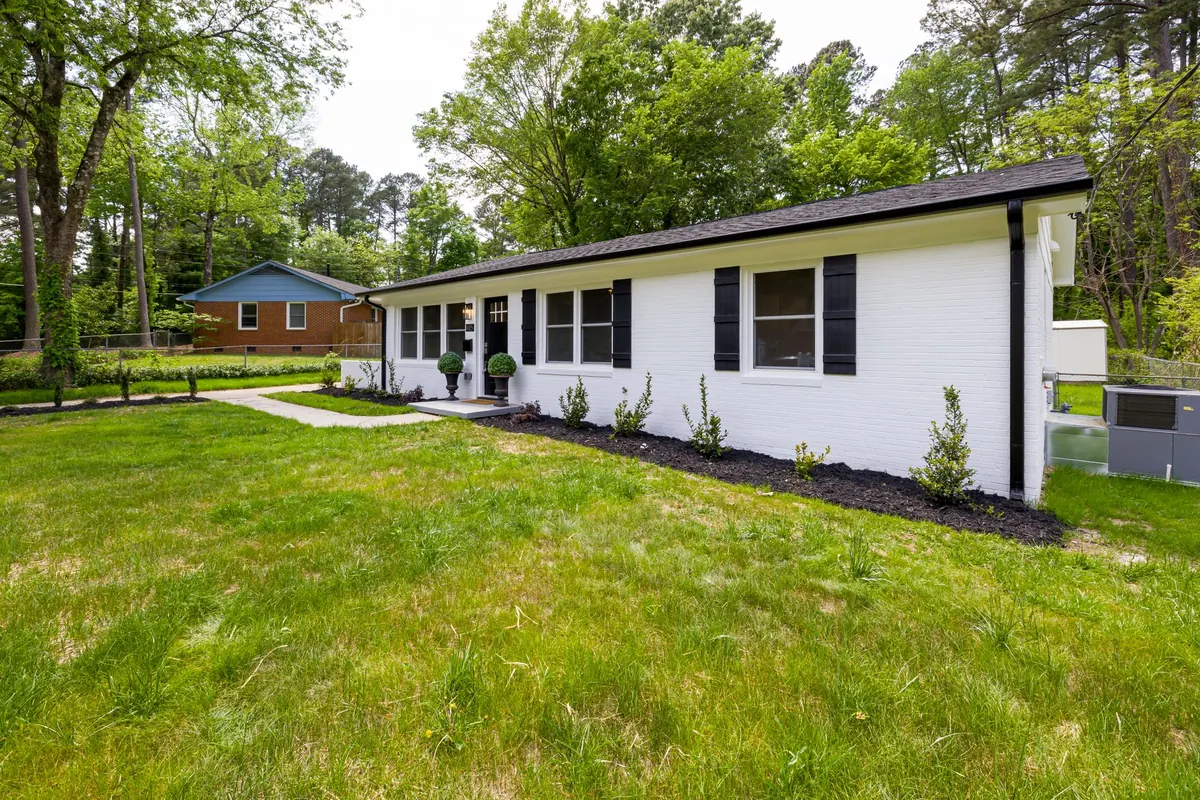
Ask five Suffolk homeowners when the best time to sell is and you'll get five answers, usually the season they happened to sell in. The truth is less tidy and more useful: each season brings a different type of buyer, a different quality of light for photographs, and a different amount of competition from neighbouring sellers. The month alone won't sell a thatched cottage in Lavenham or a bungalow in Beccles — but it changes who turns up to view, and how your property looks when they do.
Why the season matters more in Suffolk than in most counties
Three things make this county seasonal. The first is the coast. A large share of buyers around Southwold, Aldeburgh, Walberswick and the Deben estuary are looking for second homes or holiday lets, and that search is a fair-weather habit. They browse on bright weekends and disappear after Christmas. The second is the housing stock: period cottages, timber-framed farmhouses and long gardens all lean heavily on how they present in person. The third is light. Photographs taken at four in the afternoon in December look grey and flat, while the same rooms at ten in the morning in May look generous.
None of that means you should wait nine months to sell. It means you should choose a window and prepare for it properly.
Spring: the busiest window of the year
From early March to late May, the market wakes up. Gardens come back, days stretch out, and buyers who spent January browsing listings finally start booking viewings. London buyers looking at commuter towns such as Ipswich, Stowmarket and Manningtree are most active now, and the same goes for families hoping to move before the next school year.
How to make spring work for you
- Photograph in late April or early May, when borders have colour but before growth turns shaggy. Mow, edge, weed and pressure-wash paths the week before.
- Get your listing right in the first fortnight. Spring buyers see a lot of property, so weak photographs and vague descriptions get skipped quickly.
- Expect fast interest and slow chains. Easter and the May half-term bring viewings, but school holidays can park a family's decision for two weeks.
- Think about your own timetable too. If you need to buy in Suffolk as well as sell, spring competition cuts both ways.
Summer: long evenings, full gardens and a divided market
June, July and August give you the best light and the best-looking gardens of the year — a real advantage for anything with outdoor space, a gravel drive or a view across fields. Coastal and riverside properties often see their strongest interest now, from buyers thinking about summer rentals and weekend use.
The complication is that the market splits. Buyers without children are relaxed and active. Buyers with children are often away, and many deliberately wait until September to avoid moving mid-term. Hot spells dry out lawns and make south-facing rooms feel airless, so water the garden, ventilate before viewings and shoot photographs in the early evening when the light is softer. If you're selling a property that's currently a holiday let, block out cleaning and changeover days so viewings aren't squeezed between guests.
Autumn: the season serious buyers come back
September to November is quietly one of the strongest periods in Suffolk. Serious buyers return from holiday with a target: they want to be in before Christmas. Others have had a spring sale fall through and are ready to try again. The light is beautiful, low and golden, and a garden still holds plenty of colour in September.
Autumn also exposes things, so deal with them before a surveyor does. Clear leaves from gullies and paths. Check gutters and downpipes after the first heavy rain. If a corner of the house smells damp on a wet day, fix the cause rather than masking it with candles. Put the heating on low before viewings so the house feels dry rather than cold, and keep windows open briefly afterwards. Buyers ask sharper questions in autumn — about drainage, roof age, and whether the lane outside floods — so have honest answers ready.
Winter: fewer buyers, but fewer rivals
December, January and February are written off by many sellers, which is exactly why they can work. The people viewing in January are usually motivated: a job move, a rental ending, a probate sale, or a chain that collapsed last autumn. You'll get fewer viewings, but they tend to be more serious.
Presentation is the whole job in winter. Shoot photographs mid-morning on a bright day with curtains wide open and lamps on. Keep the garden tidy of fallen debris and the path clear. Sort the porch or hallway so wet coats and muddy boots don't dominate the first impression. Coastal and low-lying properties should be upfront about flood risk and drainage — buyers will ask, and a clear answer builds more trust than a vague one.
Winter is also the best season for preparation. Use it to gather paperwork, commission an Energy Performance Certificate (a legal requirement before marketing in England), and book trades so that the house is ready to launch in February or March.
Building a listing plan around your chosen season
Work backwards from the window you want, rather than listing whenever the last box is unpacked.
- Choose a target month and count back six to eight weeks. That's your preparation runway.
- Fix the outside first. Gardens, fences, drives and front doors do more seasonal work than any other part of the house.
- Book photography for good light — mid-morning or early evening, never harsh midday sun.
- Match your price to the season. A winter listing at spring pricing will sit, and a stale listing costs more than a realistic one.
- Prepare answers on heating, insulation, roof, damp and flooding. These come up far more in cold, wet months.
- Aim your marketing at the right buyer. Commuters browse on weekday evenings; second-home buyers on Friday nights and Saturday mornings.
Getting your own timing right
No month sells a house on its own. Condition, price and presentation carry the sale; the season simply decides how many people see it and how generous it looks in the photographs. If you have flexibility, aim to be on the market by early spring or early autumn. If you can't, list anyway and lean into the advantages — fewer competing properties, keener buyers and, often, a quicker negotiation.
Talk to an agent who knows your street rather than just your postcode, and take proper legal and financial advice before you commit. A local solicitor and mortgage adviser will spot details about your particular sale that no seasonal guide can cover.
Photo: Curtis Adams / Pexels